
Sep 27, 2026Compliance & Certification
Shipping Battery Massage Devices from China: UN38.3 Guide
A factory guide to shipping battery-powered massage devices: UN38.3 and MSDS documents, air versus sea freight, packaging, and a pre-shipment checklist.
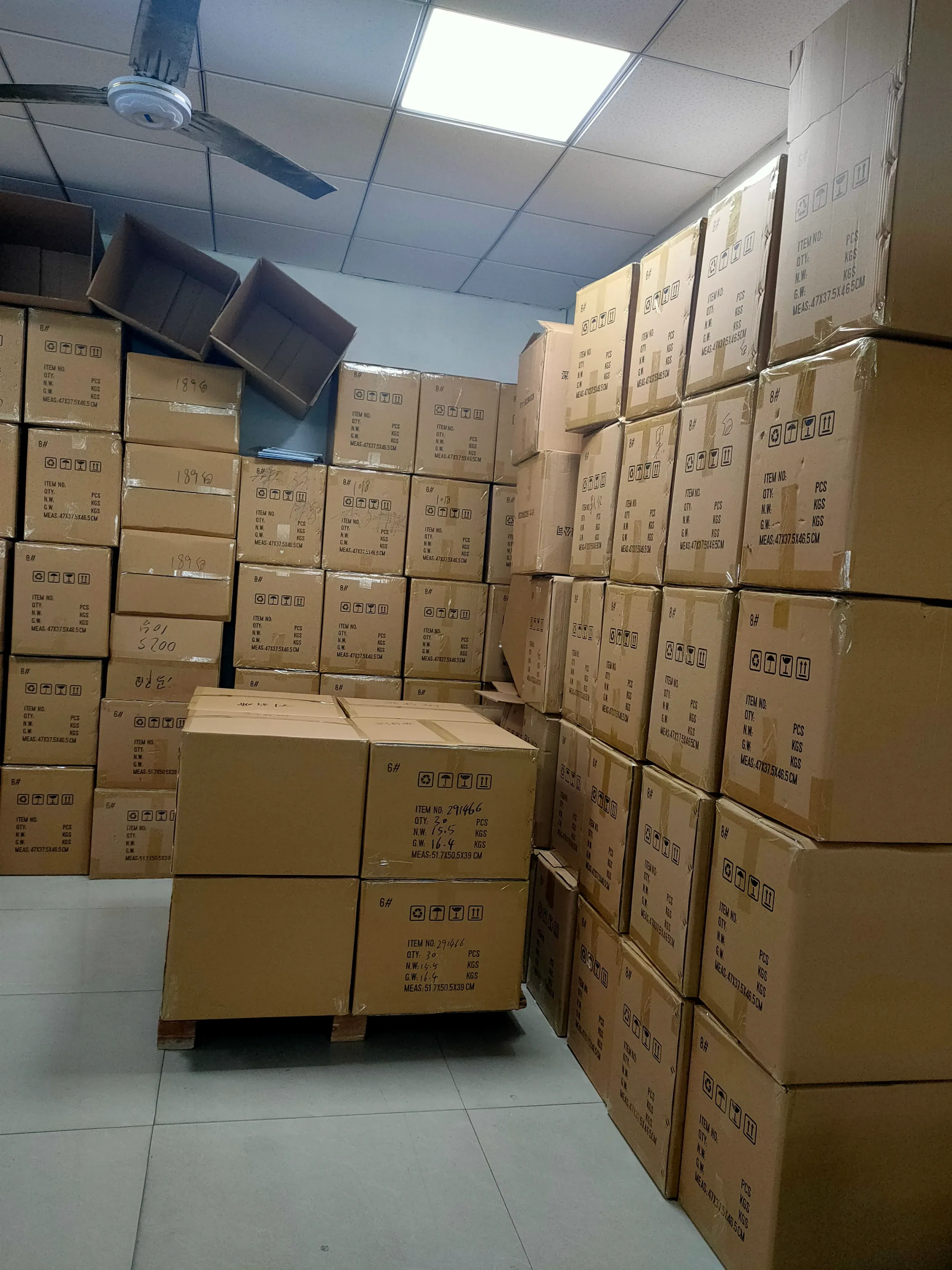
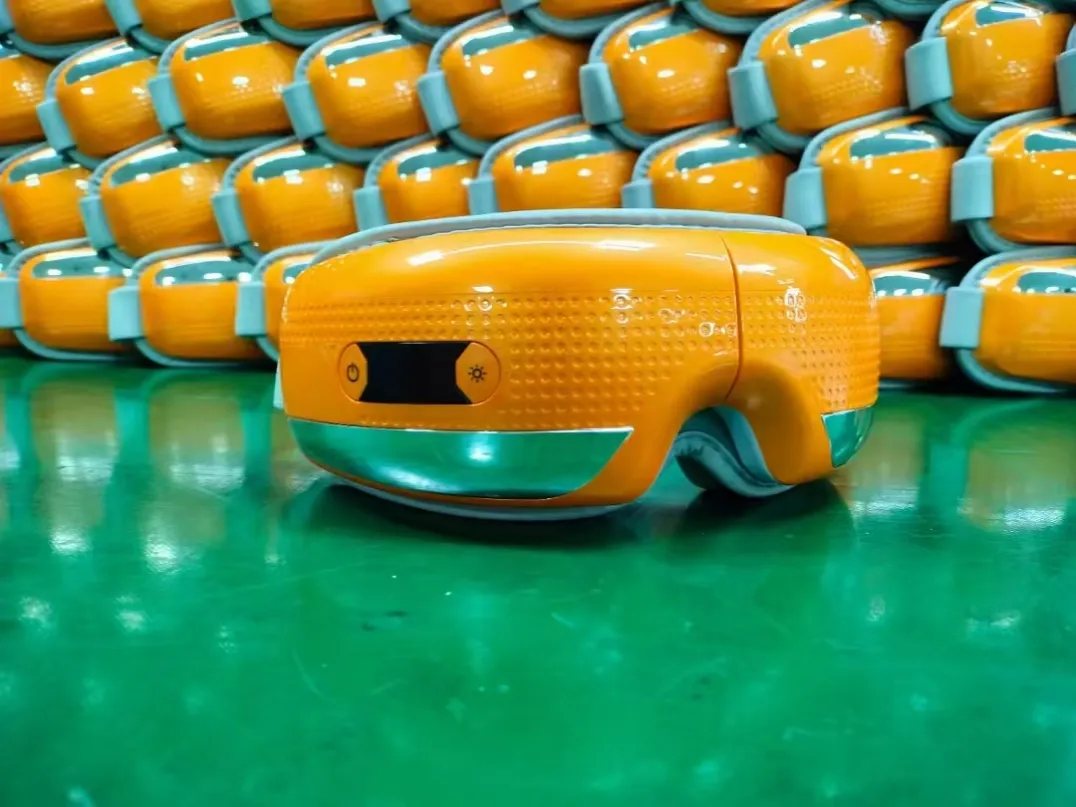
If you are sourcing massage devices from China — an eye massager, a knee massager, an LED face mask — you have probably noticed that most of these products come with built-in lithium batteries. That is good news for the end user, and it adds one extra topic to sort out before your order ships: battery transport rules.
This guide walks through the practical side, from a factory's point of view. We will cover how battery-powered devices are classified, which two documents you should ask your supplier for, how air and sea freight differ for this kind of cargo, and a short checklist you can use with any factory — ours included.
Why massage devices count as dangerous goods
Lithium batteries can overheat or catch fire when they are damaged, short-circuited or defective. Because of that, every major transport regime — air, sea, road and rail — treats them as dangerous goods (DG) and asks for documentation.
For your shipment, one of two UN numbers will apply. UN 3480 covers lithium-ion batteries shipped by themselves. UN 3481 covers lithium-ion batteries contained in or packed with equipment.
A massage device with a built-in battery almost always ships as UN 3481. In general, UN 3481 faces lighter requirements than standalone batteries — but lighter rules are still rules, and carriers will ask for documents before accepting the cargo. Knowing this early helps you plan realistically, and it is the main reason we recommend sorting out paperwork before production rather than after.
The two documents to ask your supplier for
Ask for these before you confirm an order. Any experienced factory that produces battery-powered devices will be used to the question.
- UN 38.3 test summary
UN 38.3 is the United Nations test standard for lithium cells and batteries. It covers eight tests — altitude simulation, thermal cycling, vibration, shock, external short circuit, impact and crush, overcharge, and forced discharge. A battery that passes all eight without leaking, catching fire or rupturing is considered suitable for transport.
Compliant products use batteries that have already passed UN 38.3 testing at an accredited lab. Carriers and freight forwarders increasingly ask for the standardised test summary document before accepting a lithium shipment. If a supplier cannot provide a UN 38.3 test summary for the battery inside the device you are buying, it is worth pausing and asking why — most airlines will not accept the cargo without it.
- MSDS (Material Safety Data Sheet)
The MSDS (sometimes labelled SDS) describes the battery's chemistry, voltage, watt-hour rating, transport classification and handling requirements. Forwarders, airlines and customs brokers use it to classify the cargo and prepare the DG paperwork.
One detail worth noting on the MSDS is the watt-hour (Wh) rating. Cells up to 20 Wh and batteries up to 100 Wh generally fall under excepted provisions — lighter requirements that still call for correct packaging and the lithium battery mark, but not a full DG declaration. Larger batteries move into full dangerous goods territory. Your factory should be able to tell you the Wh rating of every model you are considering.
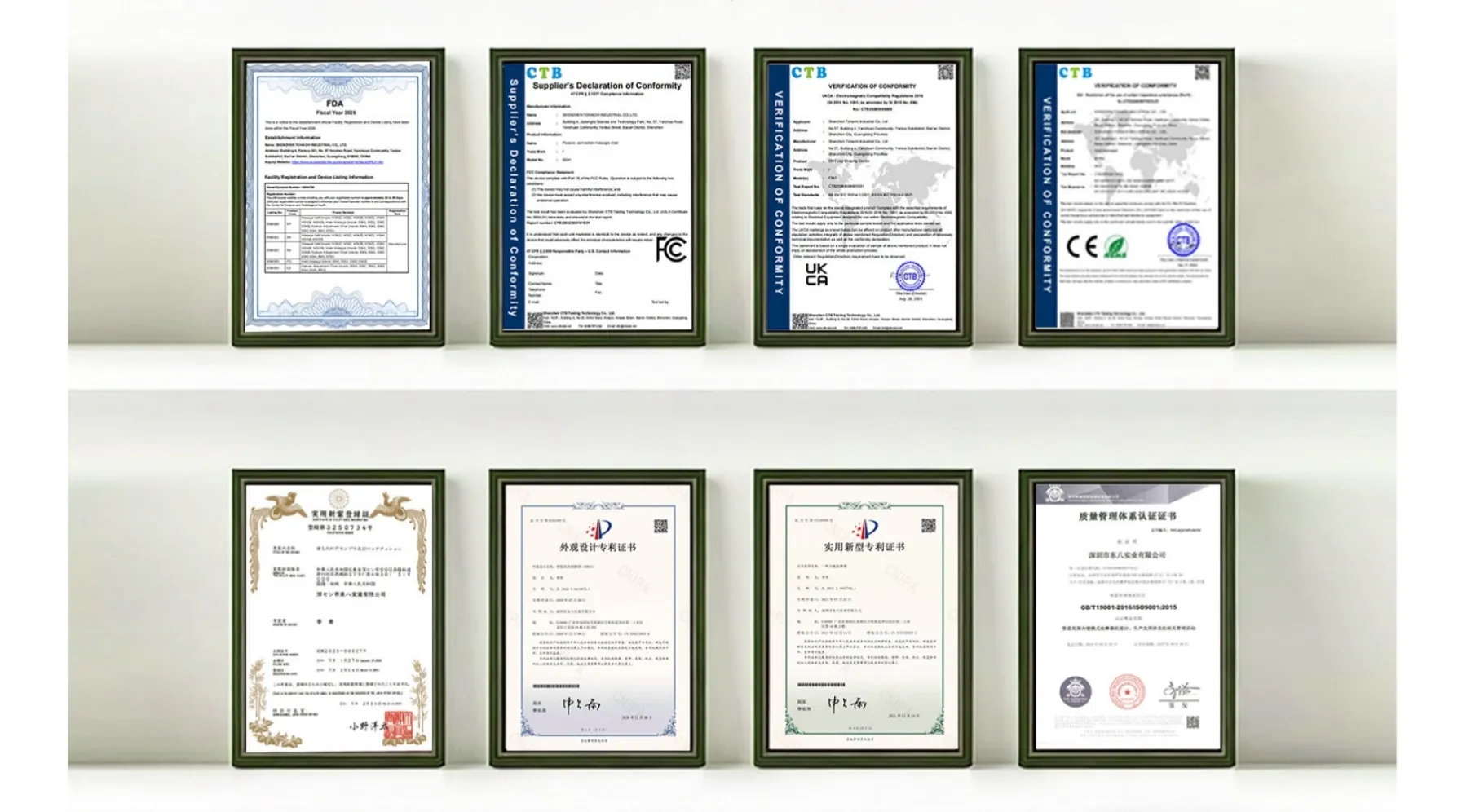
Both documents should be issued for the exact battery used in your device, not a generic template. At our factory, the UN 38.3 test summary and MSDS for battery-powered models are part of the standard export documentation we provide, alongside CE, FCC and RoHS certificates. You are welcome to ask for them before placing even a small trial order — we consider that a reasonable request.
Air freight or sea freight?
Both work for battery-powered devices; they simply suit different situations.
Air freight is the faster option for samples and small urgent batches. Devices with installed batteries (UN 3481) are generally easier to arrange by air than standalone batteries — standalone lithium-ion batteries shipped by air must be at a reduced state of charge (30 percent or less), while equipment with installed batteries follows its own provisions. Small quantities commonly move through DG-experienced express couriers such as DHL, FedEx or UPS rather than scheduled air freight.
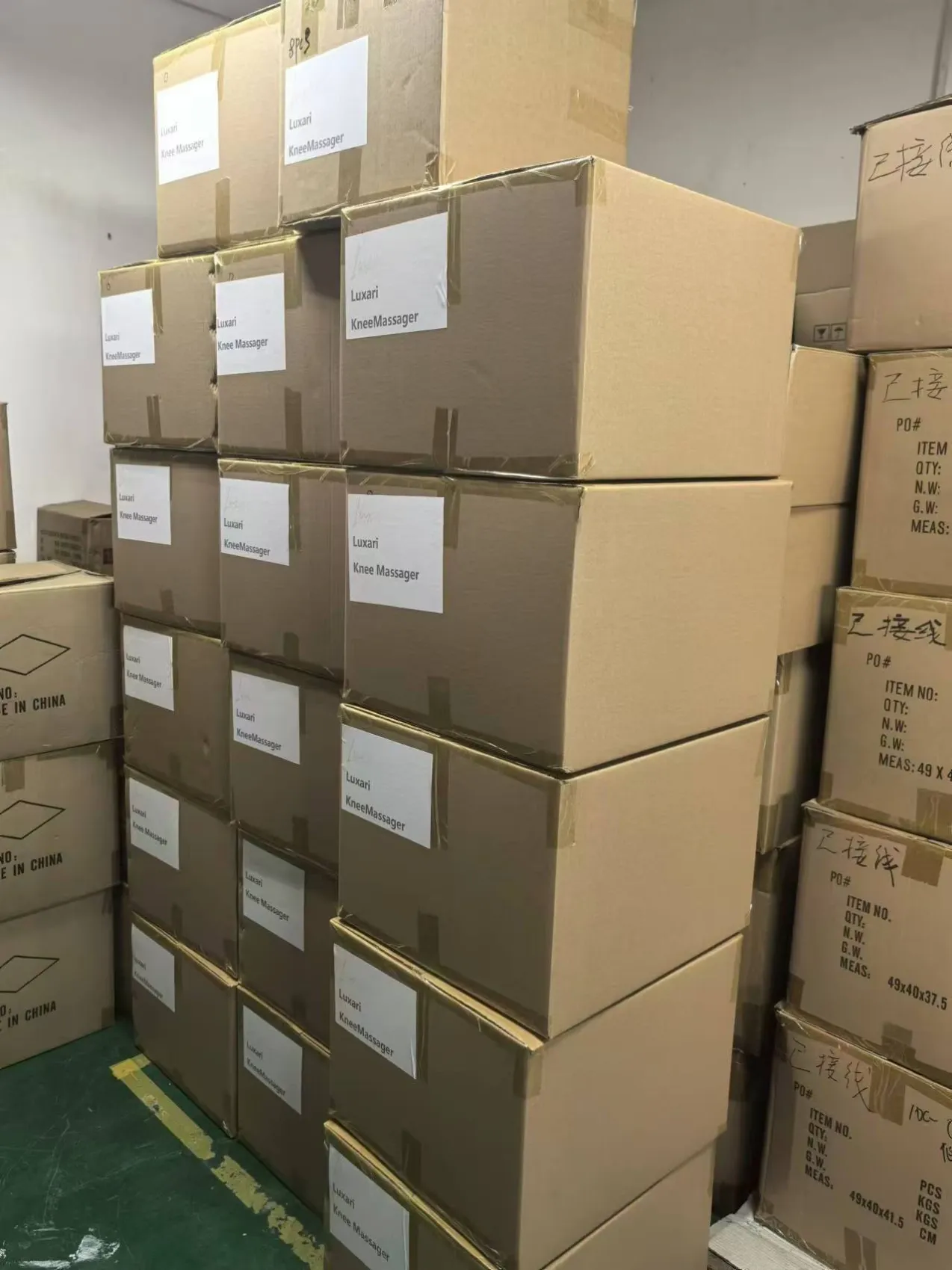
Sea freight is the more economical option for production orders. The IMDG Code for sea transport also classifies lithium batteries, so documentation is still required — but the restrictions are looser and the cost per unit drops once you are filling pallets rather than parcels. Our US Amazon customer, for example, has been reordering knee massagers in batches of around 500 units since 2025, and those orders move by sea.
One practical tip that applies to any factory: not every freight forwarder accepts lithium battery cargo, and DG space on flights can be limited. Mention the batteries when you first request a freight quote, and let the shipping arrangement run in parallel with production instead of after it. Our standard production lead time is 15 to 25 days, which usually leaves enough room when the paperwork starts early.
What DG-ready packaging looks like
Correct paperwork is half the job; the goods also need to be packed and marked properly. Batteries and devices need protection against short circuit during transport, strong outer cartons that can handle stacking and vibration on a real journey, the lithium battery mark (the striped label showing the UN number) where excepted provisions apply, and full DG labelling with a Shipper's Declaration when cargo moves under full dangerous goods rules.
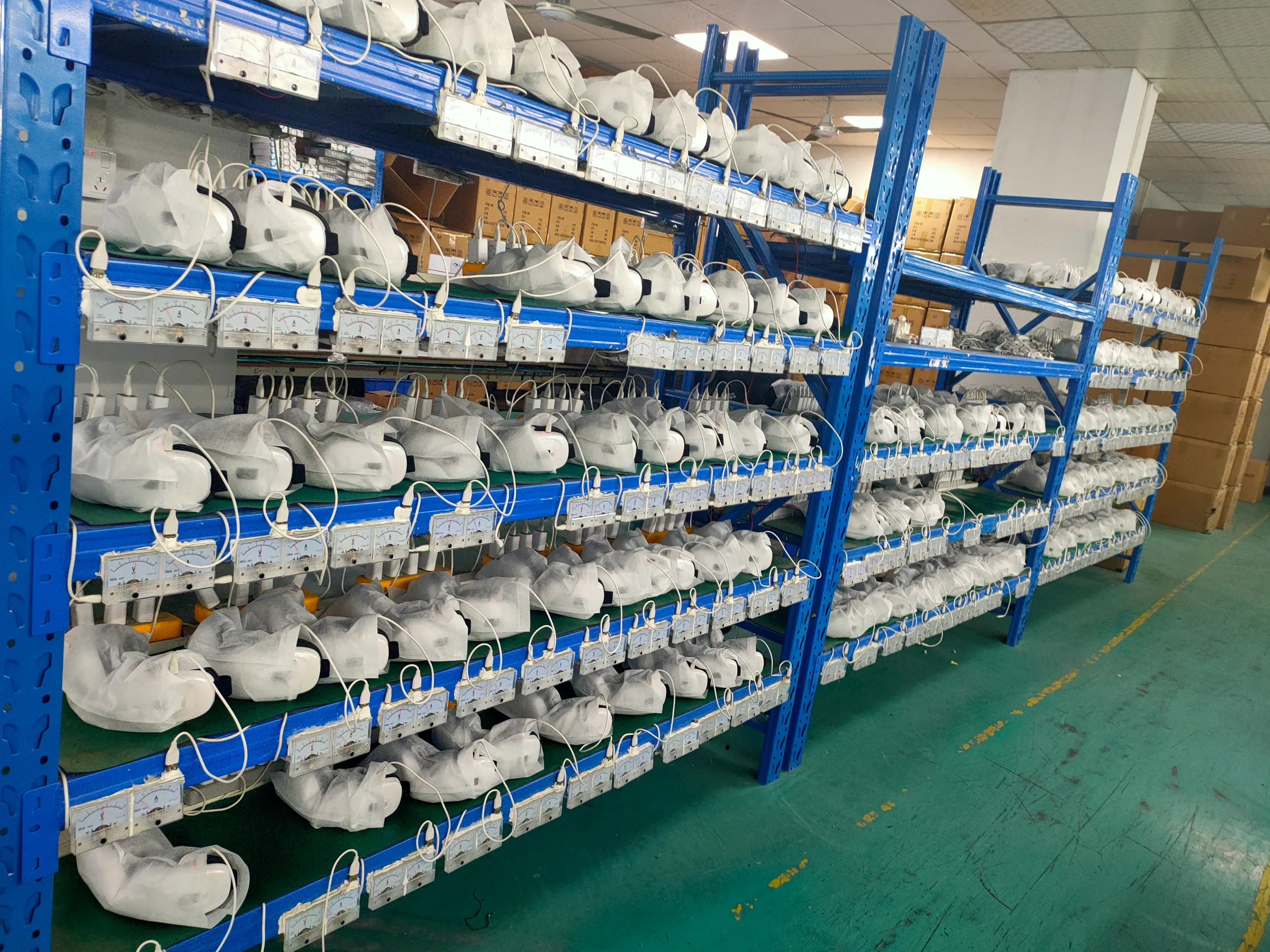
Our quality process has four stages — incoming inspection, production QC, aging test and final inspection. For battery-powered models, the aging test is where battery and electronics issues tend to surface, before goods reach the packing line. Finding a weak cell at final inspection means a rework; finding it after the goods have left is a much bigger conversation.
Choosing a freight forwarder for battery cargo
Three questions help you tell a DG-experienced forwarder from a general one. Does the forwarder handle UN 3481 lithium battery cargo regularly? Not all forwarders do. What do they need from you to quote? A good forwarder will ask for the MSDS before giving numbers. And do they offer DDP (door-to-door, duty paid) service? For Amazon FBA sellers in particular, DDP keeps customs paperwork off your desk.
If you already work with a forwarder, connect them with your factory early — it helps prevent most last-minute scrambles. If you are new to importing battery goods, ask your factory whether they can suggest a forwarder who handles lithium battery shipments regularly.
Pre-shipment checklist for battery-powered devices
A short list you can use with any supplier:
• UN 38.3 test summary issued for the exact battery model
• MSDS or SDS with chemistry, voltage and Wh rating
• Wh rating confirmed (up to 100 Wh per battery keeps most devices in the lighter excepted category)
• UN 3481 classification confirmed with the forwarder
• Lithium battery mark applied, with short-circuit-protected inner packaging
• Forwarder experienced with lithium battery cargo, booked in parallel with production
• Incoterms agreed (who books and pays for transport — EXW, FOB or DDP)
• Destination-market product compliance in hand (CE for the EU, FCC for the US, RoHS)
• Sea or air decided based on urgency versus cost, with DG booking lead time included
Frequently asked questions
Do I still need UN 38.3 documents for sea freight?
Yes. Sea transport (IMDG Code) also classifies lithium batteries as dangerous goods. The restrictions are looser than air, and full DG declarations are often not needed for excepted quantities, but the test summary and MSDS are still the documents your forwarder and the carrier will ask for.
Can I air-ship samples of a battery-powered massage device?
Yes — small sample quantities commonly move through DG-experienced express couriers. Because the battery is installed in the equipment (UN 3481) rather than shipped loose, the process is simpler than for standalone batteries, but the courier will still ask for the UN 38.3 test summary and MSDS. Your factory should provide both with the samples.
What if my current supplier cannot provide a UN 38.3 test summary?
It is worth asking why. Without a test summary, most airlines and an increasing number of sea carriers will not accept the cargo. Ask whether the battery cell supplier holds the report, and check that the battery inside your sample matches the one on the documents.
What is the difference between UN 3480 and UN 3481?
UN 3480 is lithium-ion batteries shipped alone; UN 3481 is batteries contained in or packed with equipment. A massage device with a built-in battery ships as UN 3481, which generally carries lighter requirements than loose batteries.
Does the 30 percent state-of-charge rule apply to my massage devices?
The 30 percent state-of-charge rule applies to standalone lithium-ion cells and batteries shipped by air. Equipment with installed batteries follows different provisions. Your factory and forwarder should confirm the exact requirement for each model before booking.
How we handle battery-powered models at ZonyouTech
We are a Shenzhen original factory with 13 years in massage and home beauty device manufacturing, working with brands, Amazon sellers and distributors across Europe, North America, Southeast Asia and the Middle East. For battery-powered models we provide UN 38.3 test summaries and MSDS as part of standard export documentation, hold CE, FCC and RoHS certification, and run four-stage QC including an aging test for battery and electronics reliability before packing.
MOQ starts from 50 pcs with a 15 to 25 day production lead time, so a trial order stays small and low-risk. One-stop OEM and ODM — logo, packaging and custom tooling — comes with documents that match the finished product.
If you are considering a battery-powered massage or beauty device and want the paperwork sorted before the order, email sales@zonyoutech.com (subject line: UN38.3) and we will send the documents for the models you have in mind, together with a quotation.
The rules summarised here follow IATA and PHMSA public guidance for lithium battery transport. Carrier and destination requirements vary, so please confirm the final details with your forwarder for each shipment.
Further reading: the PHMSA Lithium Battery Guide for Shippers and the IATA lithium battery guidance document.